

Posted on August 31 2026
Canada Opens New Immigration Opportunities for Medical Doctors With 5 Permanent Residence Pathways. Apply Now!

By , Editor & Director
Updated September 05 2026
Highlights: Canada Expands Immigration Options for Medical Doctors With 5 Routes to PR
- Canada has highlighted five permanent residence pathways for qualified foreign medical doctors seeking to live and work in the country.
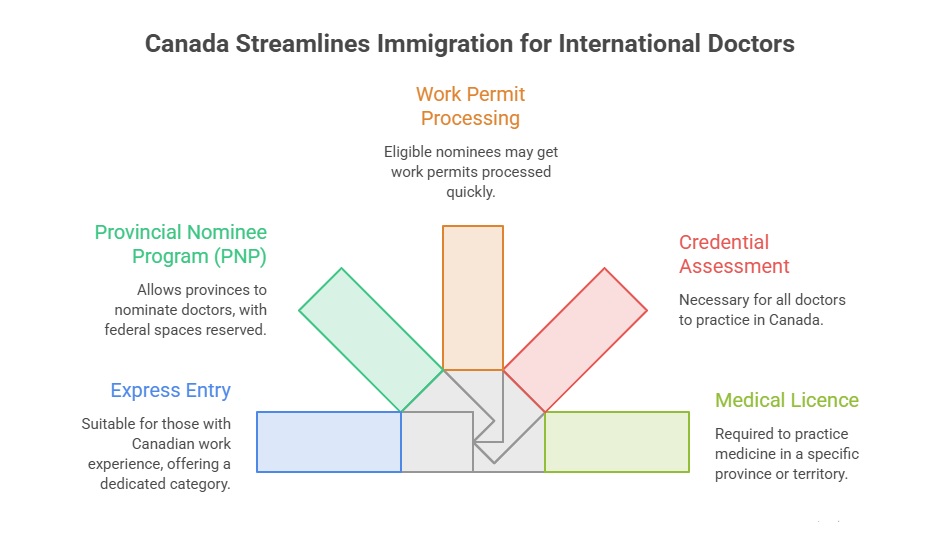
- Express Entry offers medical doctors a dedicated category for those with eligible Canadian work experience.
- Provinces and territories can nominate doctors through the PNP, with 5,000 federal spaces reserved for medical professionals.
- Eligible provincial nominees may have their work permits processed within 14 days while their PR applications are underway.
- Foreign doctors must complete credential assessment and obtain a provincial or territorial medical licence before practising in Canada.
*Want to apply for a Canada work visa? Let Y-Axis assist you with the process.
Canada Streamlines Five PR pathways for International Medical Doctors
Canada is currently focusing on five pathways through which qualified medical doctors can seek permanent residence and build their careers in the country. The options include Express Entry, the Provincial Nominee Program, the Atlantic Immigration Program, the Rural Community Immigration Pilot and the Francophone Community Immigration Pilot.
The most suitable Canada permanent residence(PR) pathways will depend on factors such as a doctor's work experience, job offer, intended destination, language abilities and other eligibility requirements. However, securing permanent residence is only one part of the process, as international medical graduates must separately complete credential assessment and obtain a licence from the relevant provincial or territorial medical regulator.
The 5 Canadian pathways for foreign doctors are as follows:
|
Pathway |
How it can help foreign doctors |
|
Provides a federal PR route; includes a medical doctor category for those with at least one year of eligible Canadian work experience in the last three years |
|
|
Provinces and territories can nominate eligible doctors; 5,000 federal immigration spaces have been reserved for doctors with job offers or letters of support |
|
|
Atlantic Immigration Program |
Offers PR opportunities to eligible doctors planning to live and work in participating Atlantic provinces |
|
Provides a pathway for eligible doctors seeking to settle and work in participating rural communities |
|
|
Francophone Community Immigration Pilot |
Supports eligible French-speaking doctors planning to work and settle in participating Francophone minority communities |
The PNP may be particularly significant for doctors with a qualifying job offer or letter of support, as Canada has reserved 5,000 federal immigration spaces through the programme for provinces and territories to nominate medical doctors. Provincial nominees can also have their work permits processed within 14 days, allowing them to begin working while waiting for their permanent residence applications to be processed.
Internationally trained doctors accounted for 31% of family physicians in Canada in 2024, while immigrants represented one in four healthcare workers. This reflects the continued demand for international professionals in supporting Canada's healthcare workforce.
Also, read...
Canada Updates TFWP Rules to Give Small Employers More Hiring Flexibility. Check Your Eligibility!
Requirements for Foreign Doctors to Work in Canada
Foreign medical doctors need to meet both immigration and professional licensing requirements before they can establish a medical career in Canada. Immigration eligibility alone does not grant permission to practise medicine.
The eligibility criteria to live and work in Canada as a foreign doctors are as follows:
- Credential assessment: Foreign medical qualifications must be assessed through the applicable Canadian process.
- Provincial or territorial licence: Doctors must obtain a licence from the relevant medical regulatory authority before practising.
- Relevant work experience: Some pathways, including the Express Entry medical doctor category, have specific Canadian work-experience requirements.
- Job offer or support: Certain PNP opportunities require a qualifying job offer or letter of support.
- Location requirements: Atlantic, rural and Francophone pathways require applicants to settle and work in participating communities or regions.
- Language requirements: Applicants must meet the applicable language requirements for their chosen immigration pathway.
- Pathway-specific eligibility: Each programme has its own requirements, so doctors should assess their profile against the relevant pathway before applying.
*Are you looking for step-by-step assistance with Canada immigration? Contact Y-Axis, the world's No. 1 overseas immigration consultancy.
For recent Canadian immigration updates, check out the Y-Axis Canada Immigration News Page.
FAQs
What are the five Canadian immigration pathways for foreign doctors?
Canada has highlighted five immigration pathways that qualified foreign medical doctors can explore for permanent residence. These include Express Entry, the Provincial Nominee Program, the Atlantic Immigration Program, the Rural Community Immigration Pilot and the Francophone Community Immigration Pilot. Eligibility varies between programmes and depends on factors such as work experience, job offers, language skills, intended destination and other immigration requirements.
Can foreign doctors apply for Canada PR through Express Entry?
Yes, eligible foreign doctors can apply for permanent residence through Express Entry. Canada also has a category for medical doctors with at least one year of full-time Canadian work experience as a medical doctor during the previous three years. Applicants must still meet the applicable Express Entry requirements and separately complete the professional licensing process before they can practise medicine in Canada.
How does the PNP benefit foreign doctors in Canada?
The Provincial Nominee Program allows Canadian provinces and territories to nominate eligible medical doctors for permanent residence. Canada has reserved 5,000 federal immigration spaces through the PNP for provinces and territories to nominate doctors with qualifying job offers or letters of support. Eligible provincial nominees may also have their work permits processed within 14 days, allowing them to work while their PR applications are processed.
Can doctors get a Canadian work permit while waiting for PR?
Certain doctors nominated through a Canadian province or territory may benefit from faster work permit processing. According to the latest government information, eligible provincial nominees can have their work permits processed within 14 days. This can allow them to work in Canada while waiting for their permanent residence application to be processed. The benefit is subject to the applicable provincial nomination and work permit requirements.
Can foreign doctors immigrate to rural Canada?
Yes. Foreign doctors who meet the eligibility requirements may explore Canada's Rural Community Immigration Pilot. The programme provides a pathway to permanent residence for eligible workers who intend to settle and work in participating rural communities. Doctors considering this option should check the participating communities, occupation requirements, job offer conditions, language criteria and other eligibility requirements before beginning the immigration process.
What is the Atlantic Immigration Program for doctors?
The Atlantic Immigration Program provides an immigration pathway for eligible foreign workers who intend to live and work in one of Canada's participating Atlantic provinces. Medical doctors who meet the programme's requirements may explore this option for permanent residence. Eligibility can depend on factors such as a qualifying job offer, work experience, language ability and settlement plans within the participating Atlantic region.
Can French-speaking Indian doctors immigrate to Canada?
French-speaking Indian medical doctors may be able to explore Canada's Francophone Community Immigration Pilot if they meet the programme's eligibility requirements. The pathway supports skilled workers who want to settle and work in participating Francophone minority communities. Doctors should assess their French-language ability, professional qualifications, job offer and other programme requirements before deciding whether this pathway is suitable for their Canadian immigration plans.
Do foreign doctors need a Canadian medical licence to practise?
Yes. Obtaining Canadian permanent residence or another immigration status does not automatically allow a foreign-trained doctor to practise medicine. International medical doctors must have their foreign credentials assessed and obtain a licence from the relevant provincial or territorial medical regulatory authority. Licensing requirements can differ depending on the province, medical specialty, qualifications and the applicant's previous education and professional experience.
Are internationally trained doctors important to Canada's healthcare system?
Yes. Internationally trained doctors already represent a significant part of Canada's healthcare workforce. According to figures cited by the Canadian government, internationally trained doctors accounted for 31% of family physicians in Canada in 2024. Immigrants also represented one in four healthcare workers. These figures demonstrate the important contribution international professionals make to Canada's healthcare system.
What should Indian doctors do before applying for Canada PR?
Indian doctors should assess both immigration and medical licensing requirements before applying. They should identify the pathway that best matches their work experience, job offer, language skills and preferred Canadian destination. At the same time, they should review foreign credential assessment requirements and the licensing process in the province or territory where they intend to practise. Meeting immigration requirements alone does not authorise medical practice in Canada.
Tags:
Work in Canada
Canada permanent residence
Canada PR
Canada work visa
Canada immigration news
migrate to Canada
international doctors in Canada
Express Entry
Provincial Nomination Program
Atlantic Immigration Program
Share
Options for you by Y-Axis

Get it on your mobile

Get News alerts

Contact Y-Axis
Latest Article
Related Post
Trending Article

Posted On October 15 2026
India-Switzerland Mobility Pact Opens New Work, Study and Travel Opportunities for Indians. Check Your Eligibility!