

Posted on November 06 2026
New Zealand Removes 17 Jobs from Green List PR Pathway in 2027: Who Is Affected?

By , Editor & Director
Updated November 06 2026
~ Dr. Serah Vinodini Vilvaraj
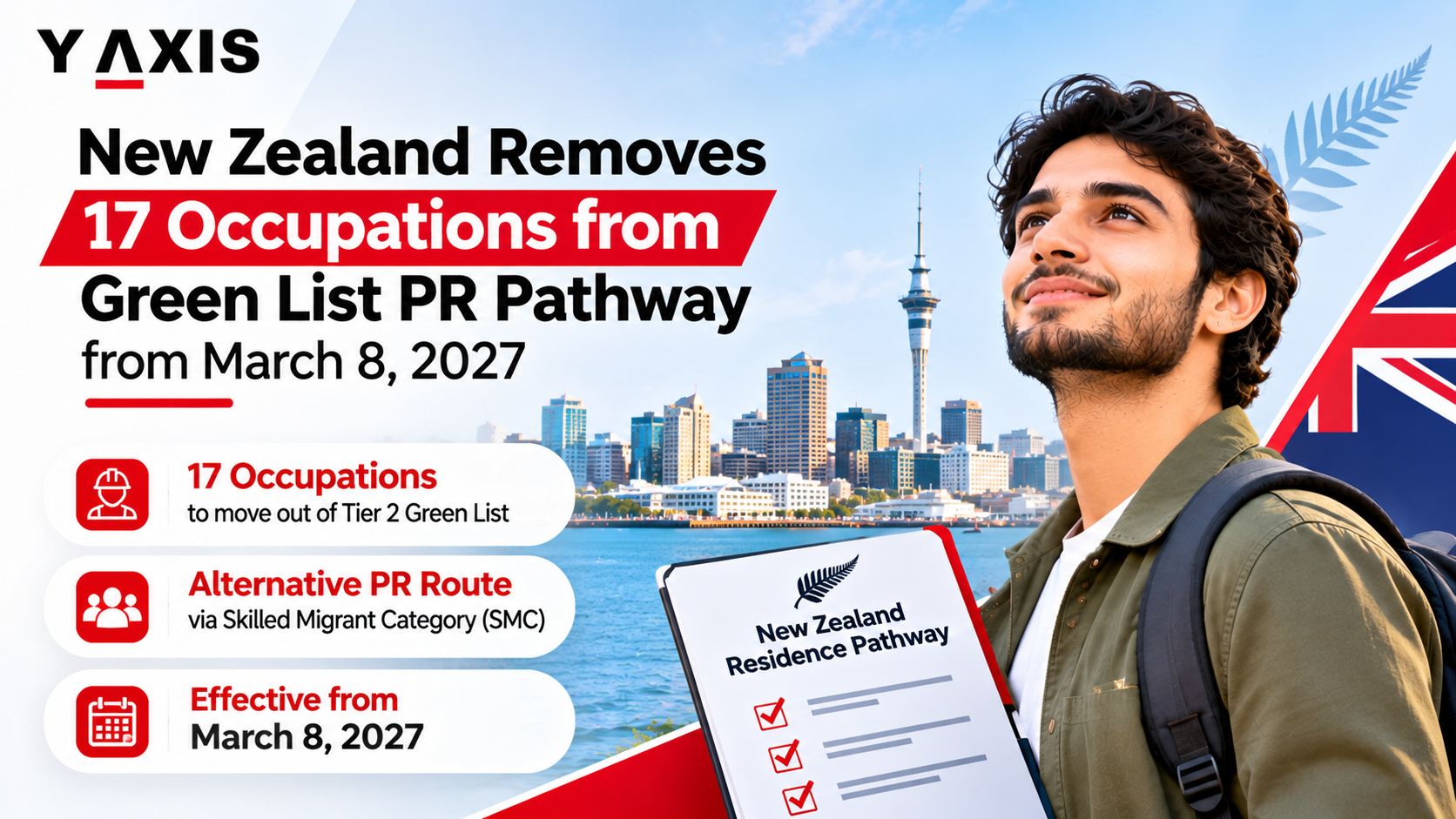
New Zealand will remove 17 skilled occupations from its Green List Work to Residence pathway on March 8, 2027, under a major restructuring of the country's residence system. The changes will affect mechanics, welders, technicians, construction supervisors and other skilled workers planning to settle in New Zealand.
However, the government has clarified that affected professionals may still qualify for residence through alternative Skilled Migrant Category (SMC) pathways. Announced by Immigration New Zealand on November 3, 2026, the reforms also introduce important changes for special education teachers, sterilisation technicians and career counsellors.
Why Is New Zealand Removing 17 Occupations from Its Green List?
The government is restructuring its immigration pathways following the introduction of new Skilled Migrant Category routes in August 2026. According to Immigration New Zealand, several occupations currently have overlapping residence pathways.
Removing these roles from the Tier 2 Green List aims to simplify the system and align immigration settings with workforce requirements. For some experienced professionals, the newer SMC pathways may offer advantages, including lower wage thresholds, shorter New Zealand work-experience requirements or fewer qualification restrictions. However, these benefits depend on the applicant's occupation and individual circumstances.
The changes do not mean the affected occupations are banned from New Zealand residence.
Which 17 Occupations Will Be Removed from March 2027?
The following occupations will leave the Tier 2 Green List Work to Residence pathway on March 8, 2027.
Occupations Moving to the SMC Trades and Technician Pathway
- Building Associate (Building Construction Supervisor)
- Automotive Electrician
- Diesel Motor Mechanic, including Heavy Vehicle Inspector
- Motor Mechanic (General)
- Motorcycle Mechanic
- Panel Beater
- Vehicle Painter
- Metal Fabricator
- Welder
- Fitter (General)
- Fitter and Turner
- Fitter-Welder
- Metal Machinist (First Class)
Occupations Moving to the SMC Skilled Work Experience Pathway
- Crane, Hoist or Lift Operator
- Telecommunications Technician
- Paving Plant Operator
- Pressure Welder
These professionals may continue to pursue residence through the relevant SMC pathway if they satisfy its eligibility requirements.
What Happens to Workers Already Planning New Zealand PR?
Immigration New Zealand has confirmed transitional arrangements for eligible workers already progressing towards residence under the Work to Residence pathway. Workers who begin accumulating qualifying employment experience before March 8, 2027, may continue counting that experience towards the existing 24-month Work to Residence requirement. However, they must still satisfy all other applicable residence conditions. This distinction is particularly important for professionals already employed in New Zealand who are working towards the required two years of qualifying experience. Applicants should confirm whether their employment and immigration circumstances meet the transitional rules rather than assuming their existing pathway is automatically protected.
Can Affected Workers Still Apply for New Zealand Work Visas?
Yes. The government has confirmed that employers may continue recruiting overseas workers in the affected occupations through the Accredited Employer Work Visa (AEWV), provided the relevant requirements are met. However, employers and applicants will lose the special Green List settings currently associated with these occupations. These include certain labour market test exemptions and priority processing arrangements for job checks and AEWV applications. Consequently, the changes may affect both residence planning and aspects of the work-visa recruitment process.
Four Special Education Teaching Roles Gain a Faster Residence Pathway
The announcement also includes a positive development for eligible special education teachers.
Four occupations will move from Tier 2 Work to Residence to Tier 1 Straight to Residence:
- Special Needs Teacher
- Teacher of the Hearing Impaired
- Teacher of the Sight Impaired
- Special Education Teachers not elsewhere classified
Eligible professionals in these occupations will be able to apply directly for residence without first completing two years of qualifying work in New Zealand. The change aligns their immigration treatment with comparable registered teaching occupations. Applicants must still meet the applicable occupation, registration, employment and residence requirements.
New Rules for Sterilisation Technicians and Career Counsellors
Two additional occupational changes will also take effect.
Sterilisation Technicians: Green List eligibility will be restricted to graduate and registered members of the New Zealand Sterile Sciences Association. The government says the change better reflects professional standards and workforce requirements.
Career Counsellors: The occupation will be removed from the Tier 1 Straight to Residence pathway. Career counsellors may still qualify for residence through the Skilled Migrant Category or another available pathway if they meet the relevant criteria.
What Should Indian Skilled Professionals Do Before March 8, 2027?
Indian professionals considering New Zealand employment or residence should review their immigration plans in light of the upcoming changes.
Key steps include:
- Check your occupation: Confirm whether your job appears among the 17 affected roles.
- Review alternative pathways: Compare the relevant SMC requirements with the existing Work to Residence criteria.
- Assess transitional eligibility: If already working in New Zealand, check whether your qualifying employment experience can continue counting towards residence.
- Confirm employer requirements: Review AEWV conditions and any changes affecting recruitment or job checks.
- Monitor official updates: Immigration New Zealand will update relevant visa information pages closer to implementation.
The most suitable residence pathway will depend on qualifications, work experience, wages, employment circumstances and other eligibility conditions.
FAQs
When will New Zealand remove the 17 occupations?
The changes will take effect on March 8, 2027, according to Immigration New Zealand's November 3 announcement.
Is New Zealand cancelling PR for mechanics and welders?
No. These occupations will leave the Tier 2 Green List Work to Residence pathway, but eligible workers may qualify through the Skilled Migrant Category.
Will existing Work to Residence applicants lose their progress?
Not necessarily. Eligible workers who began accumulating qualifying work experience before the changes take effect may continue counting that experience towards the 24-month requirement, subject to all other conditions.
Can Indian professionals still obtain New Zealand work visas in these occupations?
Yes. Eligible workers may still be recruited through the Accredited Employer Work Visa programme, provided the relevant requirements are satisfied.
Are special education teachers getting a faster PR pathway?
Eligible special education teachers in four specified occupations will move to the Straight to Residence pathway, removing the requirement to first complete two years of qualifying work in New Zealand.
What This Means for New Zealand's Immigration Future
The March 2027 reforms represent a significant shift in how New Zealand manages residence pathways for skilled tradespeople, technicians and education professionals.
For some workers, the new Skilled Migrant Category routes could provide more suitable options. Others may need to reassess their eligibility and immigration timelines.
The key message is that New Zealand is changing the route to residence for 17 occupations—not eliminating their opportunity to settle.
Applicants should review their circumstances against official immigration instructions before making employment or migration decisions.
Tags:
New Zealand Immigration
New Zealand PR
Green List Changes
Work to Residence Visa
Skilled Migrant Category
New Zealand Work Visa
Skilled Workers
Immigration New Zealand
Trades and Technicians
Immigration Policy 2027
Share
Options for you by Y-Axis

Get it on your mobile

Get News alerts

Contact Y-Axis
Latest Article
Popular Post
Trending Article

Posted On November 12 2026
Germany Offers a Work-and-Recognition Pathway for Skilled Indians: How to Qualify