

Posted on October 16 2026
How Can I Get Permanent Residency in Switzerland?

By , Editor
Updated October 17 2026
Switzerland offers several pathways for foreign nationals to live and work in the country, including employment, highly skilled jobs, self-employment, study and family reunification. The right option depends on your nationality, qualifications, employment prospects, income and family circumstances.
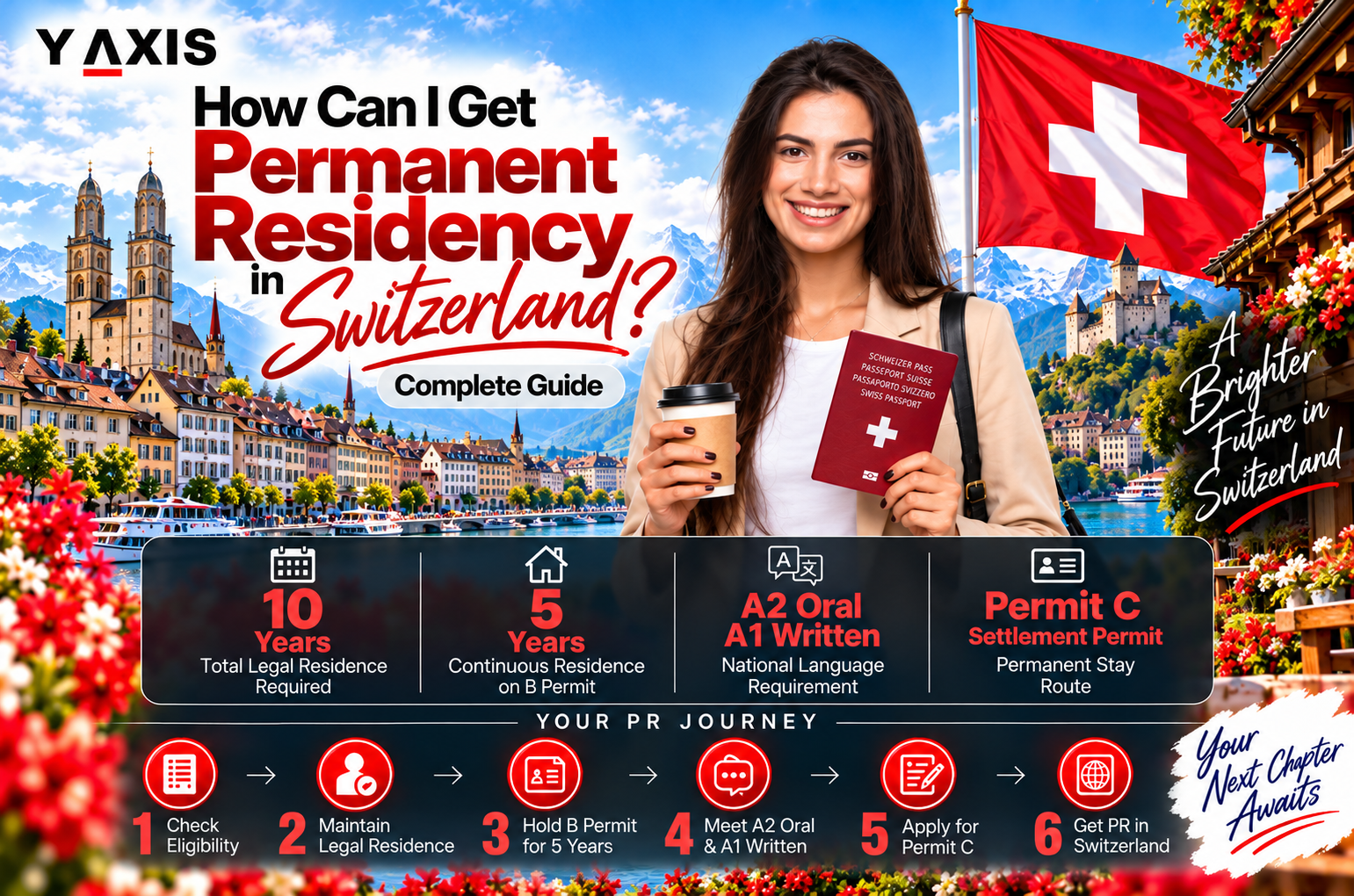
Permanent residency in Switzerland is granted through a settlement permit, known as Permit C. For many non-EU/EFTA nationals, including Indian citizens, the standard route generally requires 10 years of qualifying residence in Switzerland, including the required uninterrupted period holding a residence permit. Certain applicants may qualify earlier if they meet specific legal and integration requirements. EU/EFTA nationals may be eligible under different rules and agreements.
*Want to migrate to Switzerland? Contact Y-Axis for guidance on suitable immigration and work permit options.
What Are the Main Ways to Get Permanent Residency in Switzerland?
|
PR / Residence Pathway |
Who It May Suit |
|
Settlement Permit C (Standard Route) |
Foreign nationals who have generally lived legally in Switzerland for 10 years and meet the required conditions. |
|
Early Settlement Permit C |
Eligible applicants who may qualify after five years under special rules. |
|
Employment / Work Permit |
Skilled workers with a job offer from a Swiss employer who meet work permit requirements. |
|
EU/EFTA Residence and Employment |
EU/EFTA citizens who qualify to live and work in Switzerland under the applicable rules. |
|
Family Reunification |
Eligible family members of Swiss citizens or foreign residents living in Switzerland. |
|
Study-to-Employment Route |
International students who complete their studies and later qualify for a suitable job and residence permit. |
|
Self-Employment / Business |
Entrepreneurs who want to start or run a business in Switzerland and meet the required conditions. |
|
Research / Specialist Employment |
Researchers and skilled professionals with eligible jobs in Switzerland. |
|
Intra-Corporate Transfer (ICT) |
Employees transferred by their company to a branch in Switzerland. |
|
Residence Without Employment |
Financially independent people who meet Switzerland's residence and financial requirements. |
Important: These options can help you live in Switzerland, but they do not guarantee permanent residency. Most applicants must first obtain a suitable residence permit and later qualify for a Settlement Permit C. The standard residence period is generally 10 years, while some eligible applicants may qualify after five years. Requirements depend on nationality and personal circumstances.
Steps to Apply for Permanent Residency in Switzerland
Step 1: Choose the Swiss residence pathway that suits your circumstances, such as employment, study, self-employment or family reunification.
Step 2: Check your eligibility based on your nationality, education, professional experience, job offer, financial circumstances or family relationship.
Step 3: If applying through employment, secure a suitable job offer from a Swiss employer. For many non-EU/EFTA nationals, the employer must demonstrate that the applicable recruitment and labour market requirements have been met.
Step 4: Complete any required qualification recognition, professional registration or other occupation-specific requirements.
Step 5: Apply for the appropriate Swiss work and residence permit or long-stay visa, depending on your nationality and circumstances. The employer may need to initiate the work permit application.
Step 6: Prepare the required documents, which may include your valid passport, employment contract, educational certificates, proof of income, accommodation details, health insurance evidence and civil status documents.
Step 7: Move to Switzerland after receiving the necessary authorisations and complete the required local registration formalities.
Step 8: Maintain valid residence status and meet the applicable financial, integration, language and other residence requirements.
Step 9: Complete the qualifying period of legal residence. For many non-EU/EFTA nationals, the standard route requires 10 years of qualifying residence, including an uninterrupted residence permit during the last five years. Certain applicants may qualify for a shorter period under specific rules.
Step 10: Apply for a Swiss settlement permit (Permit C) through the competent cantonal migration authority when you meet the eligibility requirements. Submit the requested documents and evidence of residence, integration and language proficiency, where applicable.
Important: Permit C is not automatically granted after completing a set number of years. Eligibility depends on your nationality, residence history, permit type, integration and the applicable federal and cantonal requirements.
*Read about....
What are the most in-demand jobs in Switzerland for the next 10 years?
Switzerland PR Requirements
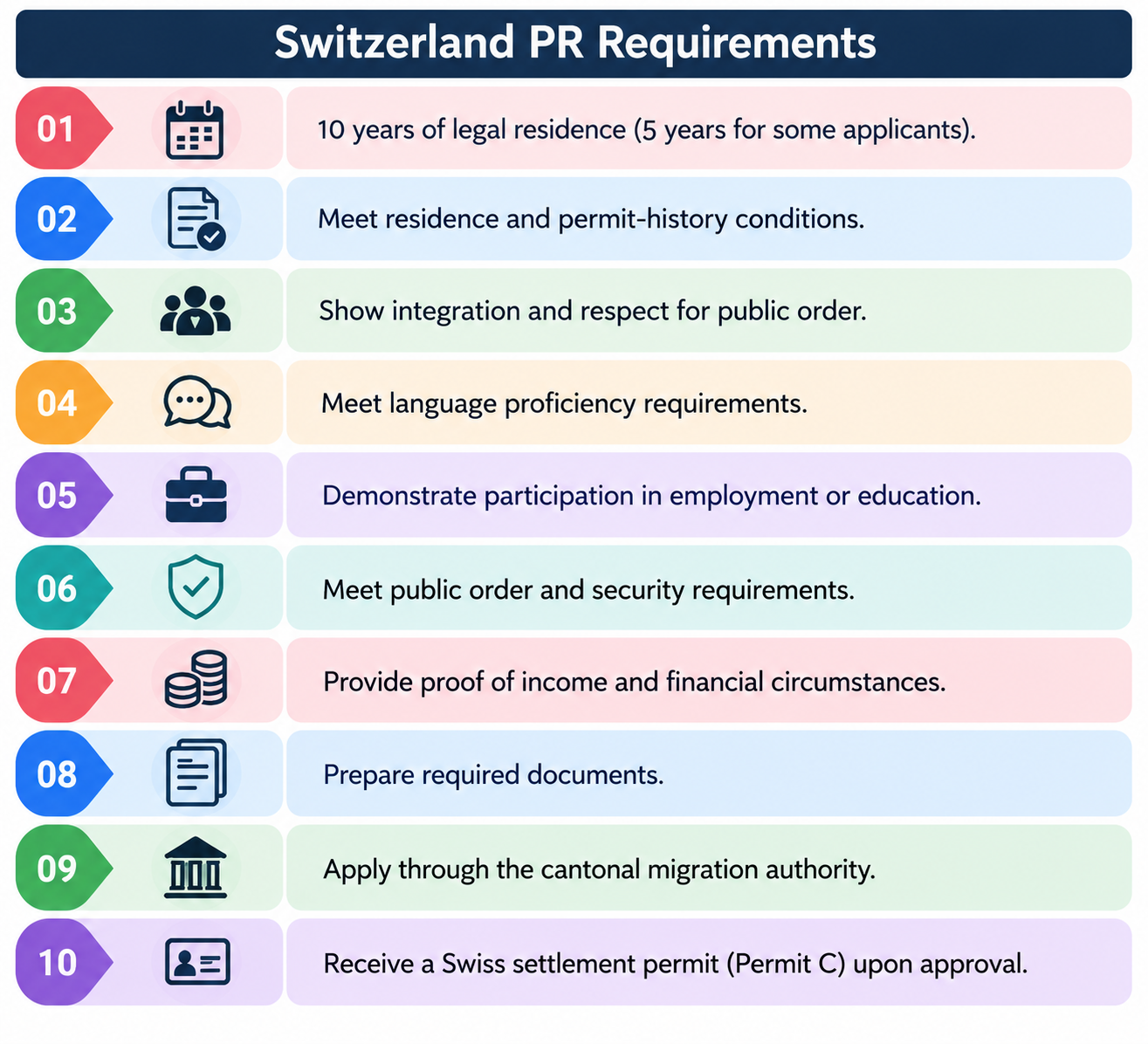
- You generally need 10 years of qualifying legal residence in Switzerland as a non-EU/EFTA national. Some applicants may qualify after five years.
- You must meet the required residence and permit-history conditions.
- You must demonstrate integration into Swiss society and respect for public order.
- You must meet the applicable language proficiency requirements.
- You should demonstrate participation in employment or education, where applicable.
- You must meet public order and security requirements.
- You may need to provide proof of income, employment and financial circumstances.
- Prepare documents such as your passport, residence permit, proof of residence, income documents and language certificates.
- Apply through the relevant cantonal migration authority.
- Upon approval, you receive a Swiss settlement permit (Permit C).
*Read more....
Highest paying Jobs in Switzerland
Switzerland PR Cost and Processing Time
The cost and processing time for Swiss permanent residency vary by canton and individual circumstances. Applicants may need to pay administrative fees for the settlement permit. Processing times depend on the canton, application complexity and completeness of the documents. Applicants should prepare all required residence, income and integration documents before applying. There is no single nationwide fee or processing time for every Permit C application. Check with your cantonal migration authority for the latest fees, requirements and timelines.
*Looking for assistance with overseas immigration? Contact Y-Axis, world’s number one immigration consultancy for guidance on Swiss immigration and residence applications.
FAQs:
How can I get permanent residency in Switzerland?
You can get permanent residency in Switzerland by living legally in the country for the required period and meeting the eligibility conditions. Most non-EU/EFTA nationals generally need 10 years of qualifying residence, while some applicants may qualify after five years. You must also meet integration, language and public order requirements. Apply through your cantonal migration authority when you become eligible for a settlement permit (Permit C).
How many years do I need to live in Switzerland to get PR?
Most non-EU/EFTA nationals generally need 10 years of qualifying legal residence to apply for permanent residency in Switzerland. Certain nationalities and eligible applicants may qualify after five years under specific rules. Your residence history, permit type and integration record can affect eligibility. Time spent in Switzerland under certain temporary permits may not count in the same way, so check the applicable rules before applying.
Can Indians get permanent residency in Switzerland?
Yes, Indian citizens can apply for permanent residency in Switzerland if they meet the applicable requirements. They generally need 10 years of qualifying legal residence, although certain exceptions may apply. Applicants must maintain valid residence status and meet integration, language and public order conditions. Securing a suitable work permit or another eligible residence permit is usually the first step toward building the required residence history.
What are the main requirements for Switzerland PR?
The main requirements include completing the qualifying residence period, maintaining the required permit history and demonstrating successful integration into Swiss society. Applicants may need to prove language proficiency, participation in employment or education, and compliance with public order requirements. Supporting documents can include a passport, residence permit, income records and language certificates. Requirements vary according to nationality and individual circumstances, so check with your cantonal migration authority.
Can I get Switzerland PR through a work visa?
Yes, working in Switzerland can be a pathway to permanent residency. You must first qualify for the appropriate work and residence permits. Non-EU/EFTA nationals generally face stricter employment admission rules, including qualification and labour market requirements. After living in Switzerland for the required period, you may apply for Permit C if you meet the applicable residence, integration and language conditions. A work visa alone does not guarantee permanent residency.
Can international students get permanent residency in Switzerland?
International students can potentially qualify for permanent residency if they later meet the applicable requirements. However, studying in Switzerland does not automatically lead to permanent residence, and time spent on a student permit may be treated differently when calculating qualifying residence. After graduation, students may need to secure an eligible work or residence permit. They should verify how their residence history counts toward Permit C eligibility before planning their long-term stay.
What documents are required for Switzerland PR?
Documents commonly required for Swiss permanent residency include a valid passport, current residence permit and proof of legal residence. Depending on your circumstances, you may also need employment records, income evidence, language certificates and other documents demonstrating integration. The cantonal migration authority may request additional paperwork. Requirements can differ by canton and applicant category, so prepare your documents according to the latest official checklist before submitting your application.
How much does permanent residency in Switzerland cost?
The cost of obtaining permanent residency in Switzerland varies by canton and administrative procedure. Applicants may need to pay fees for processing the settlement permit and related documentation. There is no single fee that applies to every application nationwide. Additional expenses may arise from translations, certified documents or language tests, where required. Contact your cantonal migration authority to confirm the current application fees and any additional charges.
How long does it take to get Switzerland PR?
The time required to qualify for permanent residency depends on your nationality, residence history and permit type. Many non-EU/EFTA nationals generally need 10 years of qualifying residence, while some applicants may qualify after five years. Once eligible, the processing time for Permit C depends on the canton and application completeness. Submit all required documents and check with the local migration authority for current processing estimates.
Can I bring my family after getting permanent residency in Switzerland?
Yes, Swiss residents with Permit C may be able to bring eligible family members through family reunification, subject to applicable requirements. These can include deadlines, suitable accommodation, financial conditions and proof of family relationships. The rules differ depending on the sponsor's nationality and the family member's circumstances. Family reunification does not automatically grant permanent residency to relatives, so check the relevant cantonal requirements before submitting an application.
Tags:
How to Get Switzerland PR
Switzerland Permanent Residency
Switzerland PR Process
Switzerland Immigration
Switzerland Skilled Migration
Switzerland Work Visa
Switzerland PR Eligibility
Switzerland PR Requirements
Switzerland Immigration for Skilled
Share
Options for you by Y-Axis

Get it on your mobile

Get News alerts

Contact Y-Axis
Latest Article
Popular Post
Trending Article
Posted On October 16 2026
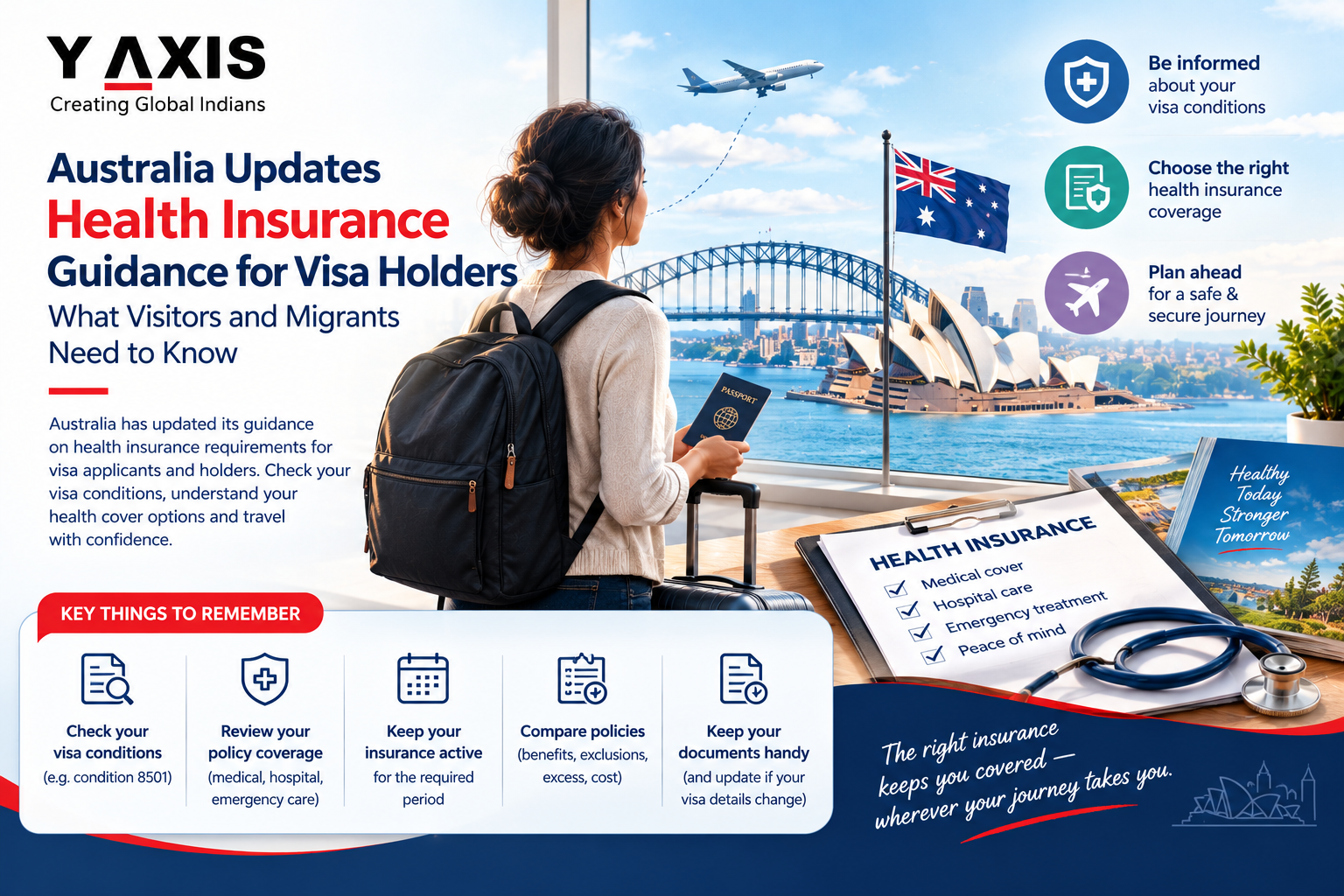
Australia Updates Health Insurance Guidance for Visa Holders: What You Need to Know